Top 10 Essential Tips for Understanding and Maintaining Your Vehicle
- CleverLee Strategics
- Aug 27, 2025
- 3 min read

Updated: Apr 5
Keeping your vehicle in top shape is essential for its performance and longevity. Understanding its needs can greatly reduce repair costs and unexpected breakdowns. Whether you’re a car expert or a first-time driver, these ten essential tips will help you maintain your vehicle effectively and keep it running smoothly.
1. Know Your Vehicle
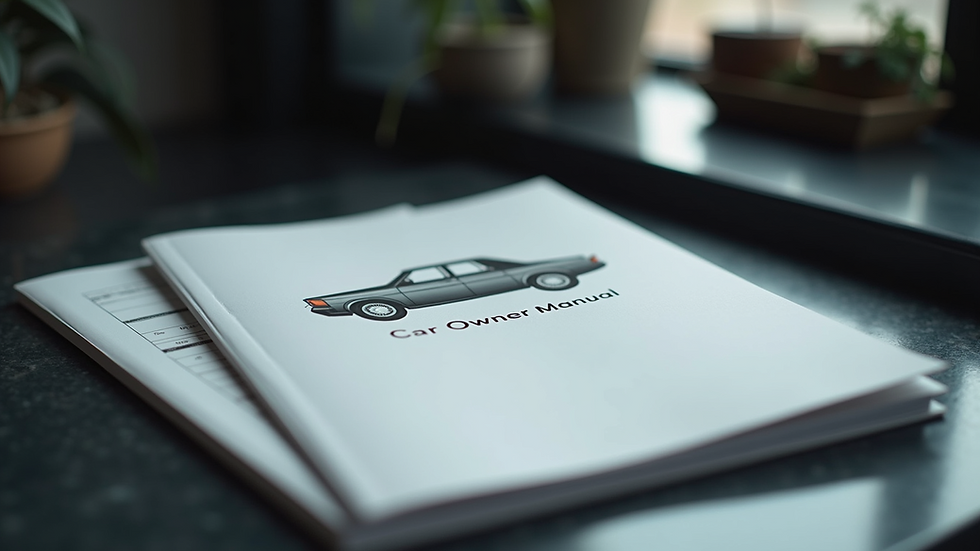
Familiarizing yourself with your vehicle is the first step in effective maintenance. Your owner's manual is a treasure trove of information. It outlines the specific maintenance schedules for your make and model. For example, if you drive a 2020 Honda Accord, the manual may recommend oil changes every 7,500 miles. Having this information handy allows you to choose the right parts and services when necessary.
2. Regular Oil Changes
Regular oil changes are vital to your engine's health. Engine oil reduces friction, keeps parts lubricated, and prevents wear. The American Automobile Association (AAA) states that changing your oil every 3,000 to 5,000 miles can help improve fuel efficiency by up to 2 percent. Check your owner's manual for specifics and make this task a routine.
3. Check Tire Pressure and Tread Depth
Tires are essential for safe driving, and maintaining them is key. Proper tire pressure affects fuel efficiency and handling. According to the U.S. Department of Transportation, under-inflated tires can reduce fuel efficiency by 3 percent. Additionally, monitor the tread depth—using the penny test can help: insert a penny into the tread; if you can see all of Lincoln’s head, it’s time for new tires. This keeps your vehicle safe and responsive.
4. Inspect Brakes Regularly
Brakes are crucial for safety. Regularly check your brake pads, rotors, and fluid levels. The National Highway Traffic Safety Administration (NHTSA) recommends having your brakes inspected at least once a year. If you hear squeaking or experience a soft brake pedal, these may be signs that your brakes need attention. Addressing these issues promptly can prevent costly repairs and keep you safe on the road.
5. Keep the Battery in Check
A functioning battery is necessary for your vehicle's electrical systems. Look at the battery terminals for signs of corrosion, and ensure they are securely connected. If your battery is more than three years old, have it tested regularly at an auto shop. A weak battery can leave you stranded, so this simple check can save you from unexpected breakdowns.
6. Replace Air Filters
Air filters significantly impact engine performance and fuel efficiency. A clogged air filter can reduce airflow, leading to up to a 10 percent decrease in fuel efficiency. Check and replace your air filter every 15,000 to 30,000 miles, especially if you drive through dusty areas. This keeps your engine running efficiently and your fuel economy healthy.
7. Monitor Fluid Levels
Your vehicle relies on various fluids to run efficiently, including coolant, transmission fluid, and brake fluid. Regularly check these levels and top them off as necessary. For example, low coolant can cause your engine to overheat. Each month, spare a few minutes to check these fluids to prevent more serious issues down the line.
8. Keep Your Vehicle Clean
Cleaning your vehicle regularly does more than just enhance its appearance. It protects your car's surfaces from rust and corrosion caused by road salt and grime. Aim to wash your car every two weeks and wax it every three months. Inside, a clean interior contributes to a pleasant driving environment and retains the vehicle's value.
9. Schedule Regular Inspections
Routine inspections by a trusted mechanic can catch problems early. Many manufacturers suggest annual inspections to ensure everything is functioning correctly. These check-ups can estimate the time and costs for any necessary repairs, helping you budget appropriately. Regular visits to a mechanic can save you from expensive surprises later.
10. Stay Informed About Recalls
It's important to stay updated on recalls associated with your vehicle. Manufacturers may issue recalls for safety-related defects, so it's good to check the National Highway Traffic Safety Administration (NHTSA) website frequently. For example, if your car model has a recall regarding brake issues, knowing about it quickly can ensure your safety

Final Thoughts
Maintaining your vehicle takes attention and care, but the rewards are substantial. By following these ten essential tips, you keep your vehicle in excellent condition, ensuring both safety and enjoyment on the road. Remember, proper maintenance not only extends the life of your vehicle but also boosts its performance. Stay proactive, and your vehicle will serve you well for years to come.


Comments